Brent Oil Price Tops $71: US-Iran Conflict Fears Erupt, Shaking Global Markets
The global energy landscape is perpetually sensitive to geopolitical shifts, and few flashpoints carry as much weight for oil markets as the intricate and often volatile relationship between the United States and Iran. Recently, Brent crude oil, the international benchmark, surged past the significant $71 per barrel mark, a movement that immediately sent ripples through financial markets and captivated analysts worldwide. At the heart of this latest price spike lies a familiar specter: escalating fears of a potential conflict involving the US and Iran. This article delves into the complexities of the situation, exploring why this critical oil price US-Iran dynamic is so potent, its broader implications, and how various stakeholders are responding.
The Geopolitical Crucible: Why US-Iran Tensions Fuel Oil Prices
To understand why the prospect of conflict between the US and Iran sends oil prices soaring, one must first grasp the region's immense strategic importance. The Middle East, particularly the Persian Gulf, is the world's most critical oil-producing region, accounting for a substantial portion of global supply. Iran itself is a major player, a founding member of OPEC, whose crude oil exports have significant sway over global availability.
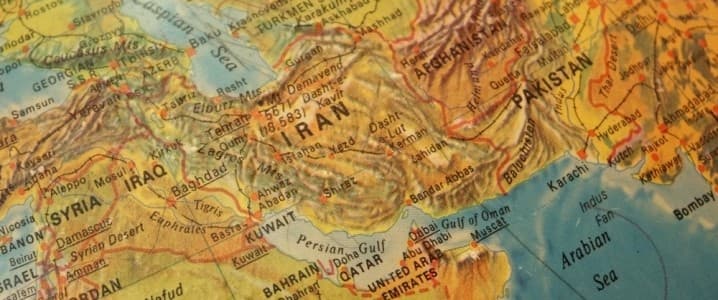
However, the real linchpin in this geopolitical puzzle is the Strait of Hormuz. This narrow maritime chokepoint, bordering Iran to the north and Oman to the south, is an indispensable artery for global energy trade. An astounding one-fifth of the world's total petroleum liquids consumption, including nearly all crude oil exports from Saudi Arabia, Iran, UAE, Kuwait, and Iraq, passes through this strait. Any disruption or perceived threat to the free passage of tankers through the Strait of Hormuz immediately triggers alarm bells in oil markets, creating a substantial "risk premium" on crude prices.
The ongoing tensions stem from a complex web of historical grievances, nuclear ambitions, economic sanctions, and regional proxy conflicts. US sanctions aim to cripple Iran's oil exports and revenue, putting immense pressure on its economy. Iran, in turn, has on various occasions threatened to close the Strait of Hormuz in response to these pressures. Such a move, even if temporary, would have catastrophic consequences for global supply chains and economies, driving oil prices to unprecedented levels. It is this underlying threat of disruption, rather than an actual event, that consistently keeps the market on edge when oil price US-Iran relations deteriorate.
Understanding the Price Surge: Beyond Immediate Headlines
While US-Iran conflict fears are undoubtedly the primary catalyst for Brent crude topping $71, it's crucial to understand that market dynamics are rarely singular. Several other factors often converge to amplify or mitigate such geopolitical shocks:
- Supply Concerns: Beyond the Strait of Hormuz, sustained production cuts by OPEC+ (a coalition of OPEC members and non-OPEC allies like Russia) have aimed to stabilize and support prices. Any additional supply shock from geopolitical events exacerbates an already tightened market.
- Global Demand Outlook: A strong global economic recovery often translates to increased demand for energy. If the market perceives demand to be robust, even modest supply fears can have an outsized impact on prices.
- Inventory Levels: Lower-than-average global oil inventories provide less buffer against supply disruptions, making markets more sensitive to bad news.
- Speculative Trading: Traders and investors often react swiftly to geopolitical news, buying into oil futures contracts on the expectation of higher prices. This speculative activity can accelerate price movements, creating momentum that pushes prices higher even before any physical supply disruption occurs.
- The Dollar's Strength: As oil is priced in US dollars, a weaker dollar can make oil cheaper for holders of other currencies, potentially boosting demand and vice-versa.
The psychological element of fear and uncertainty plays a significant role. When headlines scream about potential conflict, market participants quickly price in the worst-case scenario, driving up costs. This phenomenon highlights how fragile the balance of supply and demand truly is, and how quickly it can be overturned by political instability.
Impact on Global Markets and the Everyday Consumer
A sudden surge in oil prices to $71 and beyond has far-reaching consequences that extend well beyond the trading floors. Global markets tend to react nervously to such spikes:
- Inflationary Pressure: Higher oil prices translate directly into increased costs for transportation, manufacturing, and nearly every sector of the economy. This fuels inflation, potentially forcing central banks to consider tighter monetary policies, which can slow economic growth.
- Economic Growth: Countries heavily reliant on oil imports face a significant drag on their economies, as more money leaves the country to pay for energy. For consumers, this means higher prices at the pump, increased utility bills, and potentially higher costs for goods and services as businesses pass on their increased operational expenses.
- Sectoral Impact: Industries such as airlines, shipping, and logistics are particularly vulnerable, as fuel costs represent a substantial portion of their operating expenses. This can lead to reduced profitability, higher fares, or even reduced services.
- Energy Security: Importing nations grow increasingly concerned about energy security, prompting discussions about diversification of supply, strategic reserves, and investments in alternative energy sources.
The interconnectedness of the global economy means that a conflict in the Middle East or a spike in the oil price US-Iran dynamic isn't just a regional issue; it's a global one. For a deeper dive into how these tensions translate to market movements, you might find How US-Iran Tensions Pushed Brent Oil Prices Above $71 particularly insightful. Furthermore, understanding the broader market reaction is crucial, as explored in Global Markets Brace as Brent Oil Hits $71 on US-Iran Fears.
Navigating Volatility: Strategies for Businesses and Investors
In an environment marked by geopolitical uncertainty and volatile oil prices, adaptability is key. Both businesses and individual investors need robust strategies to mitigate risks and potentially capitalize on opportunities.
For Businesses:
- Hedging Strategies: Companies with significant exposure to fuel costs (e.g., airlines, transportation firms) can use financial instruments like futures contracts or options to lock in future fuel prices, providing a degree of cost certainty.
- Supply Chain Resilience: Diversifying suppliers and routes, where possible, can reduce vulnerability to regional disruptions.
- Energy Efficiency: Investing in energy-efficient technologies and practices can reduce overall consumption and, by extension, exposure to price fluctuations.
- Scenario Planning: Businesses should develop contingency plans for various oil price scenarios, including prolonged periods of high prices, to ensure operational continuity.
For Investors:
- Diversification: A well-diversified portfolio, not overly concentrated in energy or sectors heavily impacted by oil prices, is always a prudent strategy.
- Commodity Exposure (Cautiously): While direct investment in oil futures is high-risk, some investors might consider energy-focused ETFs or carefully selected oil and gas stocks. However, due diligence is critical.
- "Safe Haven" Assets: During times of geopolitical uncertainty, assets like gold or certain government bonds often act as "safe havens," offering some protection against market downturns.
- Stay Informed: One of the most practical tips for any investor is to diligently follow geopolitical developments and market analyses from reputable sources. Understanding the underlying drivers of oil prices is crucial for making informed decisions.
What Lies Ahead? The Future of Oil in a Tense Region
The future trajectory of oil prices, especially concerning the oil price US-Iran relationship, remains highly uncertain. The geopolitical landscape is fluid, and events can unfold rapidly, shifting market sentiment in an instant. Potential scenarios range from de-escalation through diplomatic efforts to further tightening of sanctions or, in the worst case, direct confrontation.
Beyond the immediate tensions, several other factors will continue to shape the global oil market:
- OPEC+ Decisions: The ongoing strategy of the OPEC+ alliance regarding production quotas will significantly influence supply levels.
- US Shale Production: The resilience and responsiveness of US shale oil producers to price signals can act as a crucial counter-balance to OPEC's influence.
- Global Demand Shifts: The pace of the energy transition, including the adoption of electric vehicles and renewable energy sources, will gradually reshape long-term oil demand.
- Technological Advancements: Innovations in drilling, extraction, and energy alternatives will continue to influence supply and demand dynamics.
The $71 mark for Brent crude serves as a stark reminder of how interconnected global energy markets are with political stability. The Middle East, with Iran at its core, will continue to be a region where every political tremor sends seismic waves through the global economy.
Conclusion
The recent spike in Brent crude oil prices past the $71 threshold, primarily fueled by rising US-Iran conflict fears, underscores the enduring sensitivity of global energy markets to geopolitical instability. The strategic importance of the Strait of Hormuz, coupled with Iran's role as a major oil producer and the complex web of sanctions, creates a potent risk premium that can swiftly elevate prices. This volatility impacts not only financial markets but also businesses and everyday consumers worldwide, through inflationary pressures and increased costs. Navigating this environment requires vigilance, strategic planning, and a deep understanding of the multifaceted factors at play. As long as tensions persist in this crucial region, the oil price US-Iran dynamic will remain a critical barometer for global economic health and stability, demanding constant attention from policymakers, businesses, and investors alike.